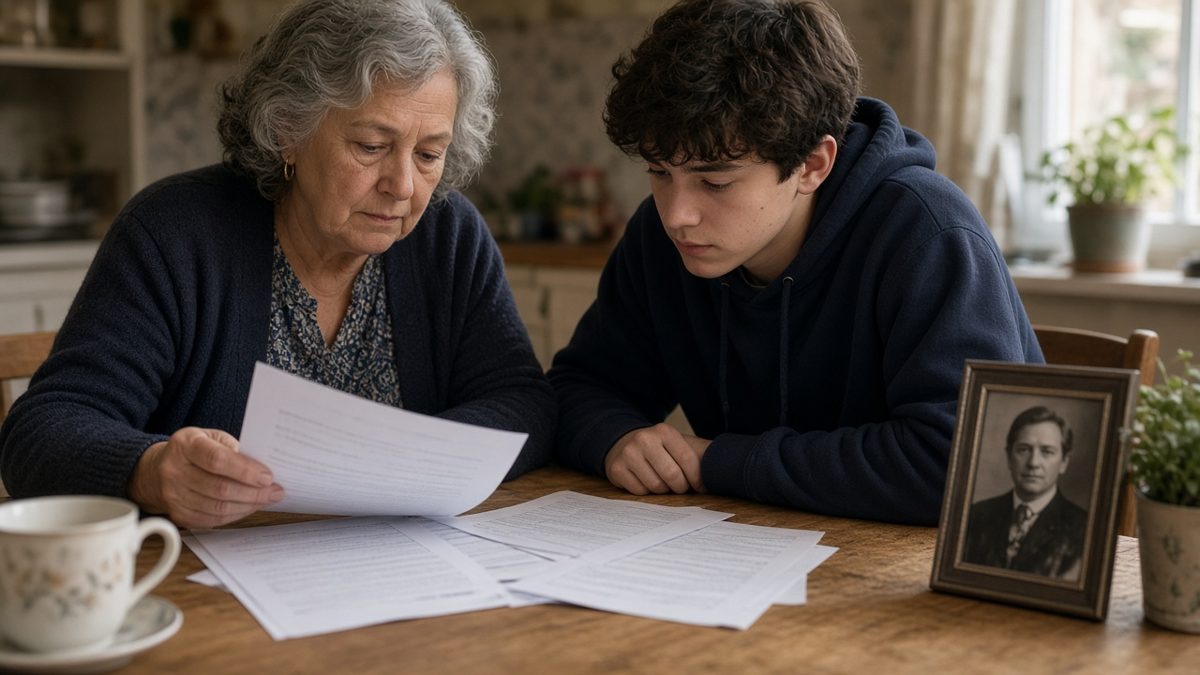
When a worker dies, Social Security survivor benefits can provide monthly income to a surviving spouse, children, and in some cases dependent parents or a former spouse. For many families, these benefits are a significant part of financial security after a loss. The rules are detailed, and the claiming choices a survivor makes can affect lifetime income, so it is worth understanding how the program works before applying.
Who can receive survivor benefits?
Survivor benefits are based on the deceased worker’s earnings record. The worker generally must have earned enough Social Security credits, though a special rule allows benefits for children and a spouse caring for children if the worker had at least six credits in the three years before death. Eligible survivors may include:
- A surviving spouse at full retirement age or older, who can receive 100% of the deceased worker’s benefit amount.
- A surviving spouse age 60 or older, who can receive a reduced benefit, or age 50 or older if disabled.
- A surviving spouse of any age caring for the deceased’s child who is under 16 or disabled.
- A surviving divorced spouse, generally if the marriage lasted at least 10 years.
- Unmarried children under 18, or up to age 19 if attending elementary or secondary school full time, and adult children disabled before age 22.
- Dependent parents age 62 or older who received at least half of their support from the deceased worker.
In most cases, a surviving spouse must have been married to the worker for at least nine months before the death. Exceptions apply, such as when the death was accidental or occurred in the line of military duty, or when the couple had a child together.
How much are survivor benefits?
The amount depends on the deceased worker’s primary insurance amount, the survivor’s age, and the survivor’s relationship to the worker. Typical percentages include:
| Survivor | Typical benefit |
|---|---|
| Spouse at full retirement age or older | 100% of the worker’s benefit |
| Spouse age 60 to full retirement age | About 71.5% to 99% |
| Disabled spouse age 50 to 59 | About 71.5% |
| Spouse caring for a child under 16 | 75% |
| Child | 75% |
| One dependent parent | 82.5% |
| Two dependent parents | 75% each |
If the deceased worker had already started receiving reduced retirement benefits before death, the surviving spouse’s benefit may be limited. Under this rule, a widow or widower’s benefit generally cannot exceed the larger of the amount the deceased worker was receiving or 82.5% of the worker’s full benefit amount. On the other hand, if the worker delayed claiming and earned delayed retirement credits, the survivor can benefit from those higher payments.
Family maximum
There is a limit on how much a family can receive from one worker’s record. The family maximum is generally between 150% and 180% of the worker’s full benefit amount. If total benefits exceed this limit, each survivor’s payment is reduced proportionally, though the worker’s own record is not affected.
Survivor full retirement age
The full retirement age for survivor benefits is slightly different from the age used for retirement benefits. For survivors born in 1962 or later, survivor full retirement age is 67. For those born earlier, it is somewhat lower. Claiming before survivor full retirement age results in a permanently reduced benefit, and the earliest age for most widows and widowers is 60.
Choosing between survivor and retirement benefits
One of the most valuable features of survivor benefits is flexibility. A widow or widower who also qualifies for their own retirement benefit can often take one benefit first and switch to the other later. Common strategies include:
- Take survivor benefits early, then switch to your own benefit. For example, you might claim a reduced survivor benefit at 60 while letting your own retirement benefit grow with delayed retirement credits until 70.
- Take your own reduced retirement benefit early, then switch to the survivor benefit. If the survivor benefit is much larger, you might start your own benefit at 62 and switch to an unreduced survivor benefit at survivor full retirement age.
You cannot receive both benefits in full at the same time. Social Security generally pays the higher of the two. Because the right strategy depends on both benefit amounts, your health, and your other income, consider reviewing your options with Social Security or a financial planner before applying.
Remarriage rules
Remarriage can affect survivor benefits:
- If you remarry before age 60 (or before age 50 if disabled), you generally cannot receive survivor benefits on your former spouse’s record while that marriage lasts.
- If you remarry at age 60 or later (or 50 or later if disabled), you can continue to receive survivor benefits.
- If a later marriage ends, you may again become eligible for survivor benefits on the prior spouse’s record.
Remarriage after 60 may also make you eligible for spousal benefits on your new spouse’s record, and Social Security will pay the higher amount.
Benefits for divorced spouses
A surviving divorced spouse can receive benefits on a former spouse’s record if the marriage lasted at least 10 years and the survivor meets the age requirements. Benefits paid to a surviving divorced spouse at age 60 or older do not count toward the family maximum and do not reduce benefits for the deceased worker’s current spouse or children. The 10-year marriage requirement does not apply to a divorced spouse who is caring for the deceased worker’s child under 16 or disabled.
The earnings test
If you receive survivor benefits before your full retirement age and continue working, Social Security may temporarily withhold some benefits if your earnings exceed an annual limit. The limit changes each year. Withheld benefits are not lost permanently, because your benefit is recalculated at full retirement age to account for months when benefits were withheld. Children’s benefits can also be affected by a child’s own earnings.
The lump-sum death payment
Social Security pays a one-time lump-sum death payment of $255 to a surviving spouse who was living with the worker, or to a spouse or child who was already receiving benefits on the worker’s record. This amount has not changed in decades. The application for this payment generally must be filed within two years of the death.
How to apply for survivor benefits
- Report the death. Funeral homes usually report deaths to Social Security. If not, family members should contact Social Security directly.
- Contact Social Security. Survivors generally apply by phone or by appointment at a local office. If you are already receiving spousal benefits, they may be converted to survivor benefits automatically after the death is reported.
- Prepare documents. You may need the death certificate, proof of the worker’s earnings, your birth certificate, marriage or divorce documents, Social Security numbers, and bank information for direct deposit.
- Apply promptly. In some cases, benefits can be paid retroactively, but only for limited periods. Applying soon after the death helps avoid lost benefits.
Taxes on survivor benefits
Survivor benefits are subject to the same federal tax rules as other Social Security benefits. Depending on your combined income, up to 85% of benefits may be taxable. Children’s benefits are considered the child’s income, so they are often not taxable if the child has little other income. Some states also tax Social Security benefits.
Planning ahead as a couple
Survivor benefits are a key reason married couples may want the higher earner to delay claiming retirement benefits. Because a surviving spouse can receive the larger of the two benefits, delaying the higher earner’s claim until 70 can increase income for whichever spouse lives longer. Couples should also review life insurance, pensions with survivor options, and beneficiary designations as part of a complete plan.
Related reading: Backdoor Roth IRA: Step-by-Step Rules, the Pro-Rata Trap, and Reporting on Form 8606.
Frequently Asked Questions
How much does a widow get from Social Security?
A widow or widower at full retirement age generally receives 100% of the deceased spouse’s benefit. Claiming as early as age 60 reduces the benefit to about 71.5%. The amount may also be limited if the deceased spouse claimed early.
Can I collect my own Social Security and survivor benefits at the same time?
You cannot receive both in full. Social Security pays the higher amount, but you can often take one benefit first and switch to the other later to maximize lifetime income.
Do I lose survivor benefits if I remarry?
If you remarry at age 60 or later, or 50 or later if disabled, you can keep survivor benefits. Remarrying before those ages generally ends eligibility while the new marriage lasts.
How long do children receive survivor benefits?
Children can typically receive benefits until age 18, or until 19 if they are still full-time elementary or secondary school students. Adult children disabled before age 22 may receive benefits longer.
Can an ex-spouse receive survivor benefits?
Yes, a surviving divorced spouse can qualify if the marriage lasted at least 10 years and age requirements are met. Their benefit does not reduce benefits for the deceased worker’s current family.
This article is for general informational purposes only and is not legal, medical, tax, or financial advice. Rules vary by state and change over time; confirm details with the relevant agency or a licensed professional.