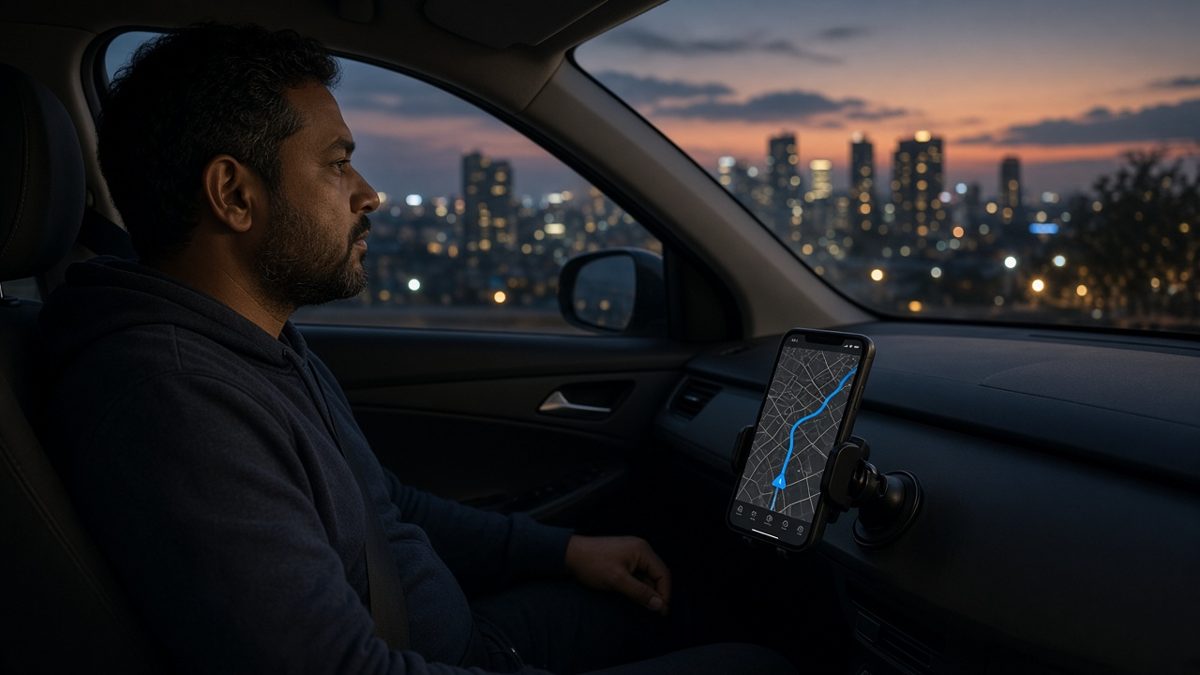
Driving for a ride-hailing app can be a flexible way to earn extra income, but it creates an insurance problem many drivers do not notice until after a crash. A standard personal auto policy is designed for personal use: commuting, errands, and road trips. Most personal policies exclude or limit coverage when the car is being used to carry passengers or goods for a fee. Meanwhile, the coverage that transportation network companies (TNCs) such as Uber and Lyft provide only applies during certain stages of a trip, and it may come with high deductibles. Rideshare insurance is the product built to close those gaps.
This guide explains how rideshare coverage works, the “periods” insurers and TNCs use to decide who pays, the main types of policies available, what affects price, and what to do if you have an accident while the app is on.
Why Your Personal Auto Policy May Not Be Enough
Personal auto policies are priced for personal risk. When you drive passengers for money, you are on the road more, often at night, in unfamiliar areas, and with strangers in the car. Insurers treat this as commercial or business use, and many standard policies contain a “livery” or “public or livery conveyance” exclusion. If you are hurt or cause an accident while working and your insurer was not told about the rideshare activity, the claim could be denied, and in some cases the insurer may cancel or decline to renew the policy.
That does not mean you are uninsured while driving. TNCs are required by laws in most states to carry insurance for their drivers during active trips. The problem is that the TNC’s coverage changes depending on what you are doing in the app, and the least protected stage is often the one where drivers spend a lot of time: logged in and waiting for a request.
The Driving Periods Explained
Insurers and state TNC laws generally divide rideshare driving into stages. The labels vary, but the structure is similar across most states.
Period 0: App Off
When the app is off, you are a regular personal driver. Your personal auto policy applies as usual, and the TNC provides no coverage.
Period 1: App On, Waiting for a Request
You are logged in and available but have not accepted a ride. This is the main gap. Many state laws require TNCs to provide only contingent liability coverage during this period, typically at or modestly above state minimum limits, and only if your personal policy does not respond. TNC coverage in this period usually does not include collision or comprehensive coverage for damage to your own car. If your personal insurer excludes this period, you could be left paying for your own repairs.
Period 2: Ride Accepted, En Route to Pick Up
Once you accept a request, the TNC’s commercial policy generally becomes primary. Uber and Lyft have publicly described carrying $1 million in third-party liability coverage during this period and the next in most markets. Contingent collision and comprehensive may apply if you carry those coverages on your personal policy, but usually with a sizable deductible.
Period 3: Passenger in the Car
While a passenger is in the vehicle, the TNC’s coverage is again primary, with similar high liability limits and contingent physical damage coverage subject to a deductible. Uninsured and underinsured motorist coverage may also be provided, though the details depend on the state.
Coverage terms differ by company, state, and policy year, so always confirm the current details on your TNC’s driver insurance page rather than relying on a summary.
Types of Rideshare Insurance
There are several ways to get protection, and which one is available depends on your state and insurer.
Rideshare Endorsement
The most common option is a rideshare endorsement added to your personal auto policy. It extends your personal coverages, such as collision, comprehensive, and sometimes liability, into Period 1, and some endorsements also help cover the TNC deductible in Periods 2 and 3. Many large national insurers offer endorsements in most states. Because it builds on the policy you already have, it is often the simplest and least expensive choice.
Hybrid Rideshare Policy
Some insurers sell a hybrid policy that is designed from the start for drivers who use their car for both personal and rideshare driving. Rather than adding an endorsement, the policy is written to transition coverage as you move between periods. Hybrid policies may offer broader protection but are not available everywhere.
Commercial Auto Policy
Drivers who operate full time, own a fleet, or do black car and limousine work may need a full commercial auto policy. This is the most expensive option and is often required by local regulators for certain types of for-hire work, but it is unnecessary for most part-time app drivers.
Delivery Driving
Food and package delivery apps create the same coverage questions. Some rideshare endorsements also cover delivery work, while others only cover passenger transport. If you drive for both kinds of apps, ask the insurer directly whether delivery is included.
What Rideshare Insurance Costs
Adding a rideshare endorsement typically increases a personal auto premium by a modest amount, though the actual figure depends on your insurer, state, driving record, vehicle, and how much you drive. A hybrid or commercial policy usually costs more. The key comparison is not the endorsement price alone but the price relative to the risk of paying out of pocket for repairs, medical bills, or a lawsuit if a claim is denied.
Factors that affect your price include:
- Location: Urban areas with heavier traffic and higher repair costs tend to have higher premiums.
- Driving record: Accidents and violations raise rates for any policy.
- Vehicle: Newer and more expensive cars cost more to repair or replace.
- Coverage levels and deductibles: Higher limits and lower deductibles raise premiums.
- Mileage: More time on the road means more exposure.
- Credit-based insurance score: Used by insurers in many states, though some states restrict or ban its use.
How to Buy the Right Coverage
Start by calling your current insurer and telling them you drive for a TNC. Being upfront protects you: failing to disclose business use can create problems at claim time. Ask these questions:
- Does my policy exclude rideshare or delivery driving?
- Do you offer a rideshare endorsement in my state, and what does it cover in each period?
- Does the endorsement help with the TNC’s collision deductible?
- Does it cover delivery apps as well as passenger apps?
- How will my premium change?
If your insurer does not offer rideshare coverage, shop with other carriers. Some insurers will not cover rideshare drivers at all, so you may need to switch companies. Compare quotes on the same coverage limits so the prices are meaningful.
Also check whether your car is leased or financed. Lenders usually require collision and comprehensive coverage, and a gap in Period 1 could put you in violation of the loan or lease terms if the car is damaged.
What to Do After an Accident While Driving for an App
If you are in a crash while the app is on, the steps are similar to any accident, with a few additions:
- Make sure everyone is safe and call 911 if anyone is hurt.
- Document the scene with photos of the vehicles, the road, and any injuries, and collect contact and insurance details from the other driver and any witnesses.
- Report the accident in the app promptly. TNCs have their own reporting process, and delays can complicate a claim.
- Notify your personal insurer as well, especially if you carry a rideshare endorsement.
- Note which period you were in. Screenshots of the app status and trip details help establish whether the TNC’s coverage was primary.
- Keep records of repair estimates, medical visits, and lost income.
Common Mistakes Rideshare Drivers Make
- Assuming the TNC covers everything. The company’s coverage depends on the period and often includes a large deductible for your own car.
- Not telling the insurer. Concealing rideshare activity can lead to a denied claim or nonrenewal.
- Ignoring Period 1. Time spent waiting for requests is when many drivers are least protected.
- Forgetting about passengers’ belongings and injuries. Liability coverage handles injuries to others, but limits matter; consider higher personal limits or an umbrella policy if your insurer allows it for rideshare drivers.
- Overlooking taxes. Insurance premiums attributable to business use may be relevant when you calculate self-employment income, though most drivers choose either the standard mileage rate or actual expenses. Ask a tax professional how this applies to you.
Related reading: Pet Insurance Explained: How Policies Pay, What They Exclude, and Whether It Pays Off and GAP Insurance for Cars: When You Need It, Where to Buy It, and How Claims Are Paid.
Frequently Asked Questions
Q: Do I need rideshare insurance if Uber or Lyft already provides coverage?
Often, yes. TNC coverage is strongest once you accept a ride and while a passenger is in the car. While you are logged in and waiting, the coverage is usually limited to contingent liability and typically does not pay to repair your own vehicle. A rideshare endorsement or hybrid policy fills that gap.
Q: Will my insurer cancel my policy if I tell them I drive for an app?
Some insurers do not cover rideshare drivers and may require you to switch carriers, but many large insurers offer endorsements. Telling your insurer is still the safer choice, because undisclosed business use can lead to a denied claim when you need coverage most.
Q: Does rideshare insurance cover food delivery?
It depends on the policy. Some endorsements cover both passenger and delivery driving, while others cover only one. Confirm in writing which apps and activities are included.
Q: How much does a rideshare endorsement cost?
The cost varies by insurer, state, vehicle, and driving record. For many drivers, an endorsement adds a relatively small amount to an existing personal premium, while hybrid and commercial policies cost more. Get several quotes for the same coverage to compare.
Q: What happens if I have an accident while the app is on but I have no endorsement?
Your personal insurer may deny the claim if the policy excludes rideshare use. The TNC’s contingent liability coverage may cover injuries or damage to others, but repairs to your own car may not be covered during Period 1. That is why drivers are encouraged to carry rideshare-specific coverage.
Q: Is rideshare insurance required by law?
State laws place most insurance requirements on the TNC rather than the driver, but drivers must still meet their state’s auto insurance requirements, and lenders may require physical damage coverage at all times. Requirements vary by state, so check with your state insurance department.
The Bottom Line
Rideshare driving blurs the line between personal and commercial use, and that blurry line is where coverage gaps appear. Understand the driving periods, tell your insurer about your rideshare work, and add an endorsement or hybrid policy that protects you while the app is on. A short call to your insurer now can prevent a costly surprise after an accident.
This article is for general informational purposes only and is not legal, medical, tax, or financial advice. Rules vary by state and change over time; confirm details with the relevant agency or a licensed professional.