Owning a boat brings freedom on the water and a set of risks that a typical auto or home policy may not fully cover. Boat insurance protects your vessel, your liability to others, and the people aboard. Whether you own a small fishing boat, a sailboat, a pontoon, or a personal watercraft, understanding how coverage works can help you avoid costly gaps.
Do you need boat insurance?
There is no federal law requiring recreational boat insurance, and most states do not require it. A few states require liability coverage for certain boats. Even when not legally required, coverage is often mandatory in practice:
- Lenders typically require physical damage coverage on financed boats.
- Marinas and storage facilities often require proof of liability coverage.
- Waterways and events may have their own requirements.
Your homeowners policy may provide limited coverage for small boats, often with low dollar limits and liability restrictions based on boat size or horsepower. Check your policy before assuming you are covered.
Main types of coverage
Hull or physical damage coverage
Covers damage to the boat itself from collisions, sinking, fire, theft, storms, and vandalism, subject to a deductible. It often includes the motor and permanently attached equipment.
Liability coverage
Covers bodily injury and property damage you cause to others while operating the boat, including legal defense costs. Examples include hitting another boat, injuring a swimmer, or damaging a dock.
Medical payments
Pays medical expenses for you and passengers injured on your boat, regardless of fault, up to policy limits.
Uninsured or underinsured boater
Covers injuries to you and your passengers caused by a boater without enough insurance.
Personal property
Covers fishing gear, electronics not permanently attached, and other items aboard.
Towing and on-water assistance
Pays to tow your boat if it breaks down or runs aground, and may cover fuel delivery or jump-starts.
Fuel spill and wreck removal
Federal law, including the Oil Pollution Act, can make boat owners responsible for cleanup if fuel spills. Laws and harbor authorities may also require removal of a sunken boat. Many policies cover these costs up to limits.
Trailer coverage
Covers damage to your boat trailer. Liability while towing is usually covered by your auto policy.
Agreed value vs. actual cash value
This choice affects how much you are paid after a total loss.
- Agreed value: You and the insurer agree on the boat’s value when the policy is written. If the boat is a total loss, you receive that amount, less the deductible.
- Actual cash value: You receive the boat’s value at the time of loss, which accounts for depreciation.
Agreed value policies usually cost more but provide more predictable payouts. Partial losses may still be subject to depreciation for some components under either type, so read how the policy handles engines, sails, and canvas.
What affects premiums
- Boat type, size, and value
- Engine horsepower and top speed
- Age and condition
- Where you boat, such as lakes, rivers, coastal waters, or offshore
- Storage, such as a lift, slip, dry storage, or trailer at home
- Operator experience and boating education
- Claims history and driving record
- Deductible and coverage limits
High-performance boats and those in hurricane-prone areas typically cost more to insure.
Navigation limits and lay-up periods
Policies define where your boat is covered, known as navigational limits. Taking the boat beyond those waters, such as offshore or to another country, may void coverage unless you get an endorsement.
Some policies include a lay-up period when the boat is stored and not used, often during winter, with a reduced premium. Using the boat during that time may not be covered.
Hurricane and named storm provisions
In coastal areas, policies may include separate named storm deductibles and require a hurricane plan, describing how you will secure or move the boat. Insurers may share the cost of hauling a boat out ahead of a storm.
Common exclusions
- Wear and tear, gradual deterioration, and marine growth
- Mechanical breakdown, unless an endorsement is purchased
- Damage from improper maintenance
- Freezing, unless the boat was properly winterized
- Racing or commercial use, such as charters
- Operating while intoxicated, in many policies
- Operators not listed or not permitted
Personal watercraft
Jet skis and other personal watercraft can be insured under similar policies. Because they are associated with higher injury risk, liability coverage is especially important. Some insurers charge more for young operators.
An example
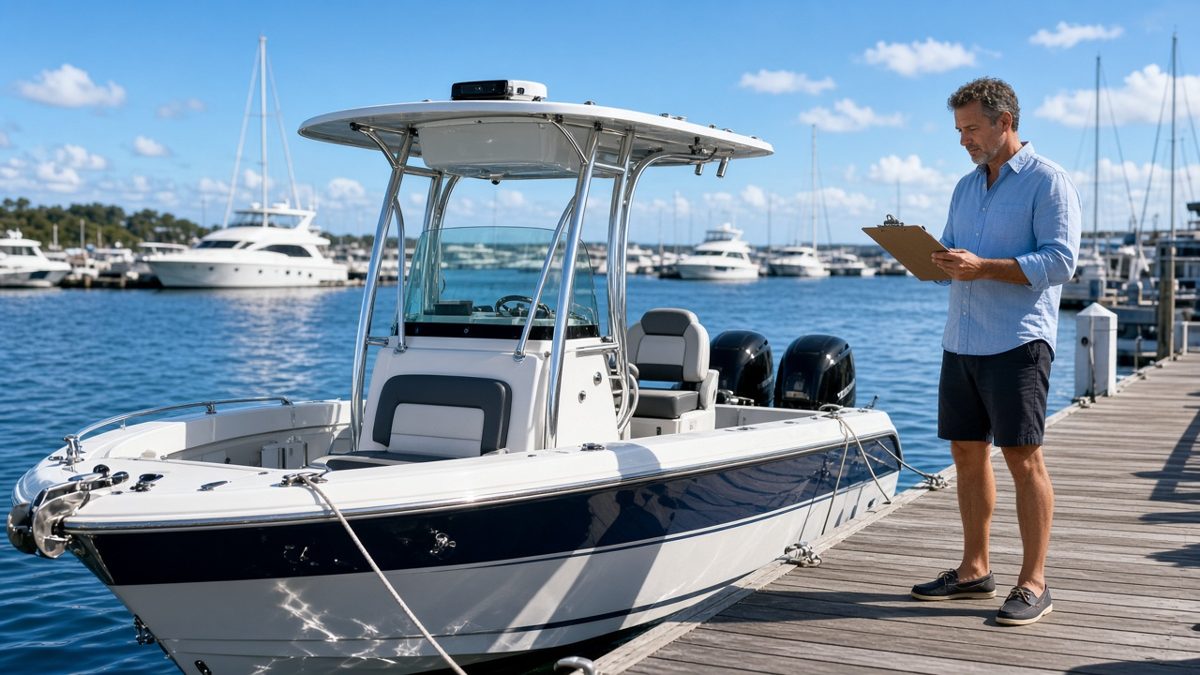
Suppose you own a 22-foot center-console boat with an agreed value of $55,000 and a 1% hull deductible. During a storm, the boat breaks free from its mooring and is a total loss. With agreed value coverage, you would receive $55,000 minus the $550 deductible. With actual cash value coverage, if the boat had depreciated to $46,000, you would receive $46,000 minus the deductible. If wreck removal costs $5,000, the policy may pay that separately up to its limit.
Ways to lower premiums
- Take a boating safety course, such as those approved by NASBLA or offered by the U.S. Coast Guard Auxiliary.
- Install safety equipment, such as GPS trackers, fire extinguishers, and anti-theft devices.
- Bundle with auto or home insurance.
- Raise your deductible.
- Choose a lay-up period if you do not boat year-round.
- Maintain a clean claims record.
Filing a claim
Ensure everyone is safe, report accidents as required by law, and document damage with photos. Prevent further damage, such as pumping water or covering openings, and keep receipts. Notify your insurer promptly. Boating accidents involving death, disappearance, serious injury, or significant property damage must be reported to state authorities.
Coverage while boating with others
If you lend your boat to a friend, coverage may depend on whether the operator is permitted and meets policy requirements. Some policies require listed operators or exclude young or inexperienced drivers. When you rent or borrow someone else’s boat, their policy may not protect you fully; ask about coverage before going out, and consider whether your own policy offers coverage for non-owned boats.
Boat insurance for older boats
Insurers may require a marine survey for older or higher-value boats, performed by a qualified surveyor, before issuing an agreed value policy. The survey documents condition and value and may recommend repairs. Some insurers limit coverage options for boats over a certain age or require actual cash value coverage.
Liability limits to consider
Boating accidents can cause serious injuries, and liability claims can exceed property values. Many boat owners choose liability limits of at least $300,000, and an umbrella policy can add coverage above that. Confirm that your umbrella policy covers watercraft, since some umbrellas exclude boats over certain size or horsepower limits.
Seasonal checklist
Before the season, review your policy, update your boat’s value, check navigation limits, confirm your hurricane plan if applicable, and inspect safety equipment. At the end of the season, winterize properly and document the boat’s condition with photos.
Insurance for boats kept at a marina
When you rent a slip, the marina contract may require you to carry a specific amount of liability insurance and name the marina as an additional insured. Read the contract carefully, since some marinas also include clauses that limit their liability for damage to your boat. Your own hull coverage is what protects your boat in most cases.
Related reading: Pet Insurance Explained: How Policies Pay, What They Exclude, and Whether It Pays Off.
Frequently Asked Questions
Is boat insurance required by law?
Most states do not require it, but some do for certain boats. Lenders and marinas commonly require it.
Does homeowners insurance cover my boat?
It may provide limited coverage for small boats, but coverage limits and liability are often restricted.
What is agreed value coverage?
A policy that pays a pre-agreed value if the boat is a total loss, rather than depreciated value.
Does boat insurance cover engine failure?
Mechanical breakdown is usually excluded unless you add an endorsement.
Does boat insurance cover jet skis?
Yes, personal watercraft can be insured under similar policies.
This article is for general informational purposes only and is not legal, medical, tax, or financial advice. Rules vary by state and change over time; confirm details with the relevant agency or a licensed professional.