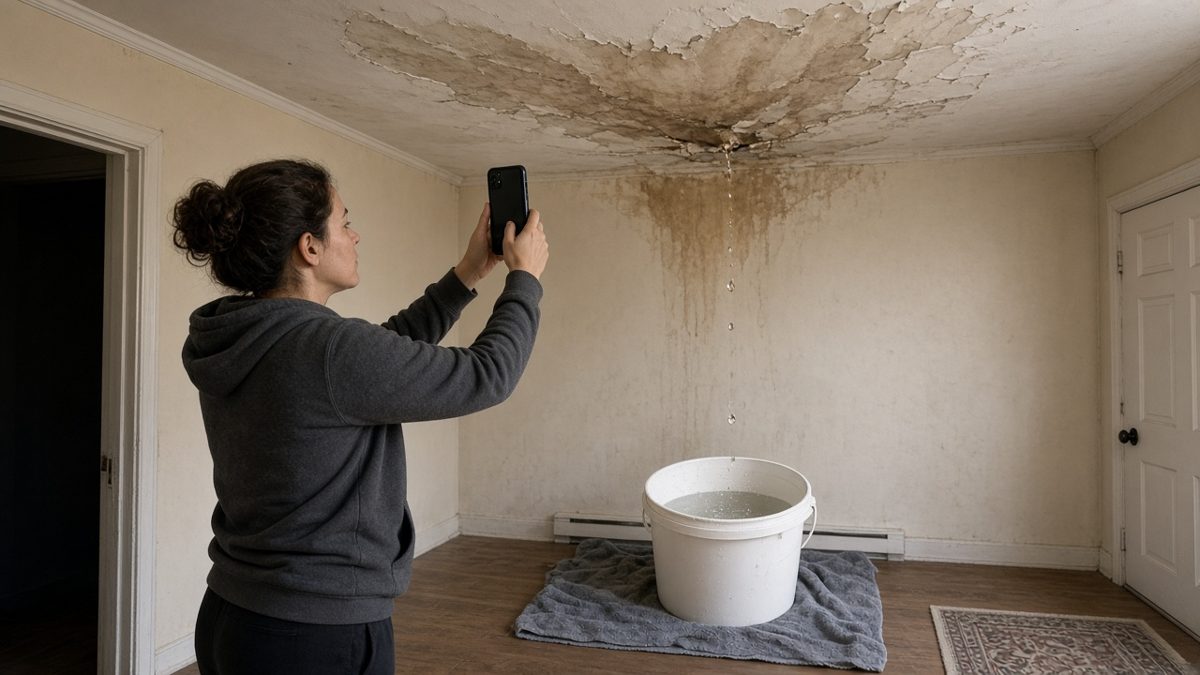
Renters have a right to a home that is safe and fit to live in. In most of the United States, that right is protected by the warranty of habitability, a legal promise built into residential leases. When a landlord fails to fix serious problems such as lack of heat, leaks, or pest infestations, tenants may have legal remedies. This guide explains what the warranty covers, what tenants can do, and the steps to take before using any remedy.
This article provides general information, not legal advice. Tenant laws vary widely by state and city, so check local rules or consult a tenant attorney or legal aid office.
What the warranty of habitability is
The implied warranty of habitability is a legal doctrine recognized by statute or court decision in nearly every state. It means that a landlord renting a residential unit promises, even if the lease does not say so, that the unit meets basic standards of health and safety and will be maintained that way throughout the tenancy. A tenant generally cannot waive this right in a lease.
The doctrine grew out of court decisions in the 1970s, including the influential case *Javins v. First National Realty Corp.* (D.C. Cir. 1970). Many states later adopted versions of the Uniform Residential Landlord and Tenant Act, which includes landlord maintenance duties.
What habitability typically requires
Standards depend on state law and local housing codes, but they commonly include:
- Weatherproofing, including a sound roof, walls, windows, and doors
- Plumbing in good working order, with hot and cold running water
- Heat adequate for the climate, and in some places air conditioning in limited circumstances
- Electrical systems that are safe and working
- Sanitation, including working toilets and sewage disposal
- Freedom from pest infestations such as rodents, cockroaches, or bedbugs not caused by the tenant
- Structural safety, including floors, stairs, and railings
- Smoke detectors and, in many states, carbon monoxide detectors
- Secure locks on entry doors and windows in many jurisdictions
- Garbage receptacles and removal arrangements
- Lead-based paint hazards addressed in older housing, under federal disclosure rules for pre-1978 housing and local laws
What usually is not a habitability issue
Cosmetic problems, such as worn carpet, outdated appliances, or chipped paint without lead hazards, typically do not violate the warranty. Inconveniences such as a broken dishwasher are usually not covered unless local codes or the lease require them. Damage caused by the tenant or the tenant’s guests is the tenant’s responsibility.
Step 1: Give written notice
Before pursuing most remedies, the tenant must notify the landlord and allow a reasonable time for repairs. Best practices:
- Put it in writing, by letter, email, or the landlord’s portal, and keep copies.
- Describe the problem precisely, including when it began and how it affects the unit.
- Request repair by a reasonable deadline.
- Allow access for repairs with proper notice.
What counts as a reasonable time depends on severity and local law. A lack of heat in winter or a sewage backup may require repairs within a day or two, while minor problems allow more time. Some states set specific deadlines, such as 14 or 30 days.
Step 2: Document everything
- Take dated photographs and videos.
- Keep repair requests and responses.
- Save receipts for related costs, such as space heaters or hotel stays.
- Request an inspection from the local housing or code enforcement office. An inspection report can be powerful evidence.
- Keep medical records if conditions such as mold affected health.
Tenant remedies
The remedies available depend heavily on your state. Using a remedy that your state does not allow, or failing to follow its procedure, can result in eviction for nonpayment. Common remedies include:
Repair and deduct
Some states, such as California, allow tenants to pay for necessary repairs and deduct the cost from rent, subject to limits. California, for example, generally limits this to one month’s rent and no more than twice in 12 months. Notice and waiting periods apply.
Rent withholding or escrow
In some states, tenants can withhold rent until repairs are made. Many jurisdictions require tenants to deposit rent with a court or escrow account rather than simply keeping it. This protects tenants by showing good faith.
Rent abatement or reduction
A court may reduce rent to reflect the reduced value of the unit while it was not habitable.
Lawsuit for damages
Tenants may sue for damages caused by the landlord’s failure to repair, such as damaged belongings, temporary housing costs, or in some places statutory penalties.
Lease termination and constructive eviction
If conditions make the unit truly uninhabitable and the landlord fails to fix them, the tenant may be able to end the lease and move out. Under the doctrine of constructive eviction, the landlord’s failure effectively forced the tenant out, ending the obligation to pay rent. Tenants should typically give notice and move within a reasonable time.
Code enforcement
Local housing agencies can inspect, issue citations, and order repairs. This remedy does not require tenants to risk their rent payments.
Protection against retaliation
Most states prohibit landlords from retaliating against tenants who request repairs, contact code enforcement, or join tenant organizations. Retaliation can include eviction, rent increases, or reduced services. Many states presume retaliation if the landlord acts within a certain period after the complaint, often six months to a year. Keep records of when you complained to prove the timeline.
Habitability as an eviction defense
If a landlord files for eviction for nonpayment, a tenant may be able to raise the breach of the warranty of habitability as a defense or counterclaim, potentially reducing rent owed. Courts often require tenants to deposit disputed rent with the court while the case proceeds.
Where to get help
- Local legal aid organizations for low-income tenants
- Tenant unions and housing counseling agencies
- State attorney general consumer offices, which often publish tenant guides
- Local housing or code enforcement departments
- Private tenant attorneys, some of whom handle habitability cases with fee-shifting statutes
A sample timeline
Suppose a tenant’s heater stops working in January. On day one, the tenant emails the landlord describing the problem and photographs the thermostat reading. On day three, with no response, the tenant sends a second written notice and calls the city’s housing inspection line. The inspector cites the landlord and orders repairs within a short deadline. The tenant keeps receipts for space heaters and records daily indoor temperatures. If the landlord still does not repair the heat, the tenant consults legal aid about the remedies available in that state, such as paying rent into court escrow or seeking a rent reduction, rather than simply stopping payment.
Questions to ask before using a remedy
- Does my state allow repair and deduct or rent withholding, and what notice is required?
- Must rent be paid into a court or escrow account?
- Is my rent current? Many remedies require tenants to be up to date.
- Did I or a guest cause the problem?
- Do I have written proof of notice and the condition?
Related reading: Durable Power of Attorney: Choosing an Agent, Setting Limits, and Avoiding Costly Mistakes and Small Claims Court: How to File, Prepare Evidence, and Collect a Judgment Without a Lawyer.
Frequently Asked Questions
What is the warranty of habitability?
It is an implied promise in residential leases that a rental unit will be safe and fit to live in, recognized in nearly every state.
Can I stop paying rent if my landlord will not make repairs?
Only if your state allows rent withholding, and you usually must follow specific steps, sometimes depositing rent with a court. Improper withholding can lead to eviction.
What is repair and deduct?
A remedy in some states allowing tenants to pay for needed repairs and subtract the cost from rent, subject to limits and notice rules.
Can my landlord evict me for complaining?
Most states prohibit retaliatory eviction for good-faith repair requests or code complaints.
Can a lease waive the warranty of habitability?
Generally no. Courts and statutes usually treat waivers of habitability as unenforceable.
This article is for general informational purposes only and is not legal, medical, tax, or financial advice. Rules vary by state and change over time; confirm details with the relevant agency or a licensed professional.