When a contractor walks off a job, a landlord keeps a deposit without explanation, or a buyer bounces a check, the amount at stake is often too small to justify hiring a lawyer. Small claims court exists for exactly these disputes. It is designed to be faster, cheaper, and simpler than regular civil court, and most people represent themselves. This guide explains how small claims court works in the United States, how to prepare, and what to do after the judge rules.
What small claims court handles
Small claims courts hear civil disputes over money, and sometimes the return of specific property, up to a limit set by state law. Common cases include:
- Unpaid loans between friends or family
- Security deposit disputes
- Property damage, such as a fender bender or a neighbor’s tree falling on your fence
- Poor or unfinished work by a contractor or repair shop
- Unpaid invoices for small businesses
- Defective products when a seller refuses a refund
Small claims courts generally do not handle divorces, bankruptcies, name changes, or claims against the federal government, and many do not allow cases seeking injunctions, such as an order forcing someone to stop doing something.
Dollar limits vary by state
Each state sets its own maximum. Limits range from a few thousand dollars in some states to $20,000 or more in others, and some states set different limits for individuals and businesses or for certain types of claims. California, for example, allows individuals to claim up to $12,500, while businesses are limited to a lower amount. Check your state court’s website for the current limit, since legislatures raise them periodically.
If your claim is above the limit, you can usually choose to waive the excess and sue for the maximum, but you cannot later sue for the rest. Splitting a single claim into multiple cases to get around the limit is not allowed.
Before you file: try to resolve it
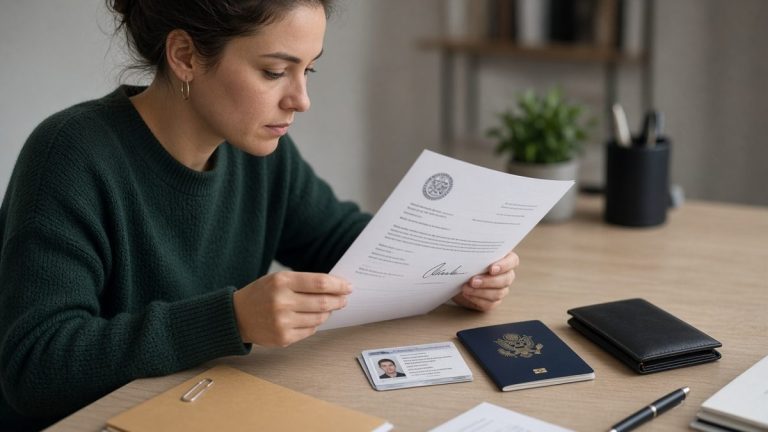
Many courts expect, and some require, that you attempt to settle first. Send a demand letter that:
- Explains the dispute briefly and factually
- States the amount you are owed and how you calculated it
- Sets a reasonable deadline, such as 14 days, for payment
- States that you will file in small claims court if the matter is not resolved
Keep a copy and proof of delivery. A demand letter often prompts payment, and if not, it shows the judge you acted reasonably.
How to file a small claims case
Choose the right court
You generally file in the county or district where the defendant lives or does business, where the contract was signed or performed, or where the injury or damage occurred. Filing in the wrong place can get your case dismissed or transferred.
Name the defendant correctly
Use the defendant’s full legal name. For a business, look up its registered legal name and registered agent through the secretary of state’s business search. Suing “Joe’s Plumbing” when the legal entity is “JP Services LLC” can create collection problems later.
Complete the claim form and pay the fee
Court clerks provide the forms, often online. Filing fees are typically modest and vary by state and claim amount. If you cannot afford the fee, ask for a fee waiver application. If you win, the court usually adds your filing and service costs to the judgment.
Serve the defendant
The defendant must be formally notified, a step called service of process. Depending on the state, you can use certified mail through the clerk, a sheriff or marshal, or a private process server. In most states you cannot serve the papers yourself. Proof of service must be filed with the court before the hearing.
Preparing your evidence
Judges in small claims court decide cases quickly, often in 10 to 15 minutes. Organized evidence makes a big difference.
What to gather
- Contracts, estimates, invoices, and receipts
- Text messages and emails, printed with dates visible
- Photos and videos showing damage or defective work
- Repair estimates from at least two independent businesses
- Canceled checks or payment records
- Your demand letter and any reply
- Names of witnesses who can testify
Bring at least three copies of each document: one for the judge, one for the defendant, and one for you.
Witnesses
Witnesses with firsthand knowledge are helpful. If a witness will not come voluntarily, ask the clerk about a subpoena. Some courts accept signed written statements, but live testimony is usually more persuasive.
What happens at the hearing
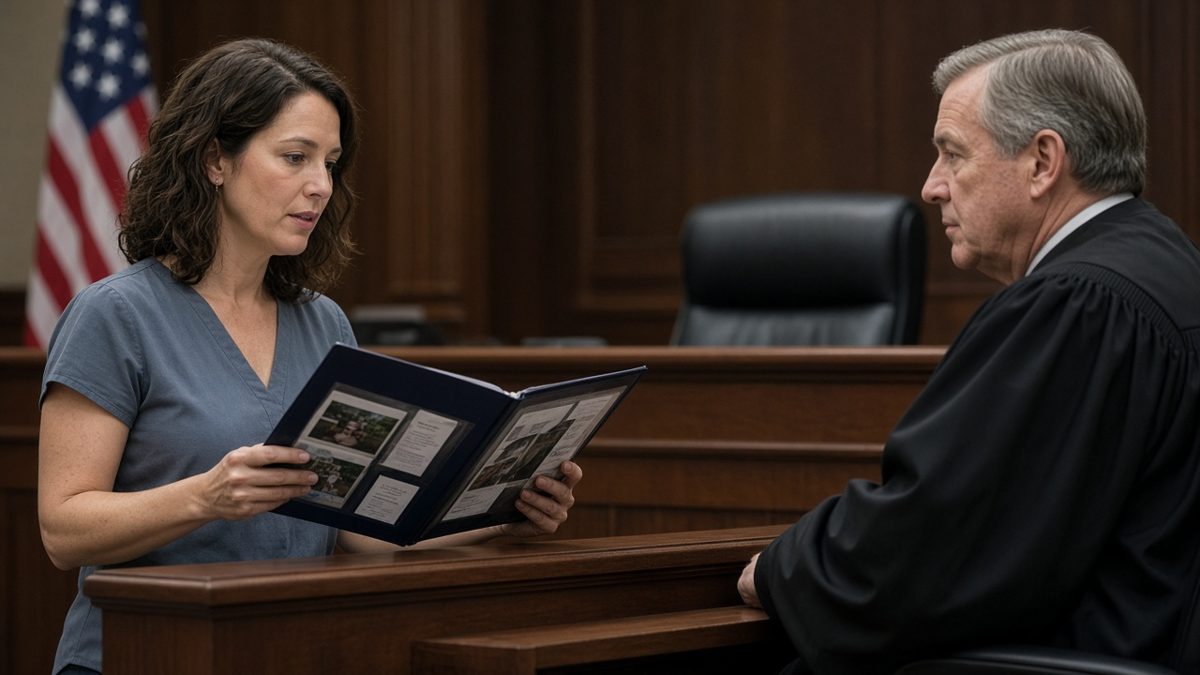
Arrive early and check in with the clerk. When your case is called, you present first if you are the plaintiff. Be brief and stick to the facts:
- State what happened in chronological order.
- Explain the amount you are asking for and how you calculated it.
- Hand up your evidence as you refer to it.
- Answer the judge’s questions directly.
The defendant then responds. Stay calm and do not interrupt. The judge may rule immediately or mail a decision later. Some courts offer mediation on the day of the hearing, which can produce a faster agreement.
If the defendant does not appear
If the defendant was properly served and fails to show up, the judge may enter a default judgment in your favor, often after you present basic proof of your claim.
Counterclaims
The defendant may file a counterclaim against you, which the court usually hears at the same time. Be prepared to respond.
Appeals
Appeal rights differ by state. In some states, only the defendant can appeal; in others, either party can, often resulting in a new trial in a higher court. Deadlines are short, frequently 30 days or less.
Collecting your judgment
Winning a judgment does not mean you automatically get paid. Many defendants pay once they lose, but if they do not, you may need to use collection tools allowed in your state:
- Wage garnishment: A court order directing the employer to withhold part of the debtor’s wages, subject to federal and state limits.
- Bank levy: An order allowing you to collect from the debtor’s bank account.
- Property lien: A lien on real estate the debtor owns, which must be paid when the property is sold or refinanced.
- Debtor examination: A court hearing where the debtor must answer questions about income and assets.
Judgments usually remain valid for years and can often be renewed. Keep track of deadlines and any interest that accrues under state law.
Tips for success
- Calculate damages precisely and avoid inflating your claim
- Focus on documents rather than emotions
- Dress neatly and address the judge respectfully
- Read your state court’s self-help guide, which often includes checklists and sample forms
- Consider whether the defendant can actually pay before investing time in a case
Settling before the hearing
Many small claims cases settle in the hallway or in a court-run mediation session. If the defendant offers to pay part of your claim, weigh the offer against the time, risk, and collection effort of going forward. A written settlement should state the amount, the payment dates, and what happens if a payment is missed. Ask the court how to record the agreement so you can enforce it without starting over.
Related reading: Durable Power of Attorney: Choosing an Agent, Setting Limits, and Avoiding Costly Mistakes.
Frequently Asked Questions
Do I need a lawyer for small claims court?
No. Small claims court is designed for people to represent themselves, and some states do not allow lawyers to appear for parties in the hearing.
How long does a small claims case take?
Many cases are heard within one to three months of filing, depending on the court’s schedule and how long service takes.
Can I sue a business in small claims court?
Yes. Use the business’s correct legal name and serve its owner or registered agent according to your state’s rules.
What if I lose my small claims case?
Depending on your state, you may be able to appeal or request a new hearing, but deadlines are short. If you owe money, paying promptly can avoid added costs.
Can a small claims judgment affect someone’s credit?
Civil judgments are no longer included on credit reports from the three major bureaus, but collection actions such as wage garnishment can still follow an unpaid judgment.
This article is for general informational purposes only and is not legal, medical, tax, or financial advice. Rules vary by state and change over time; confirm details with the relevant agency or a licensed professional.