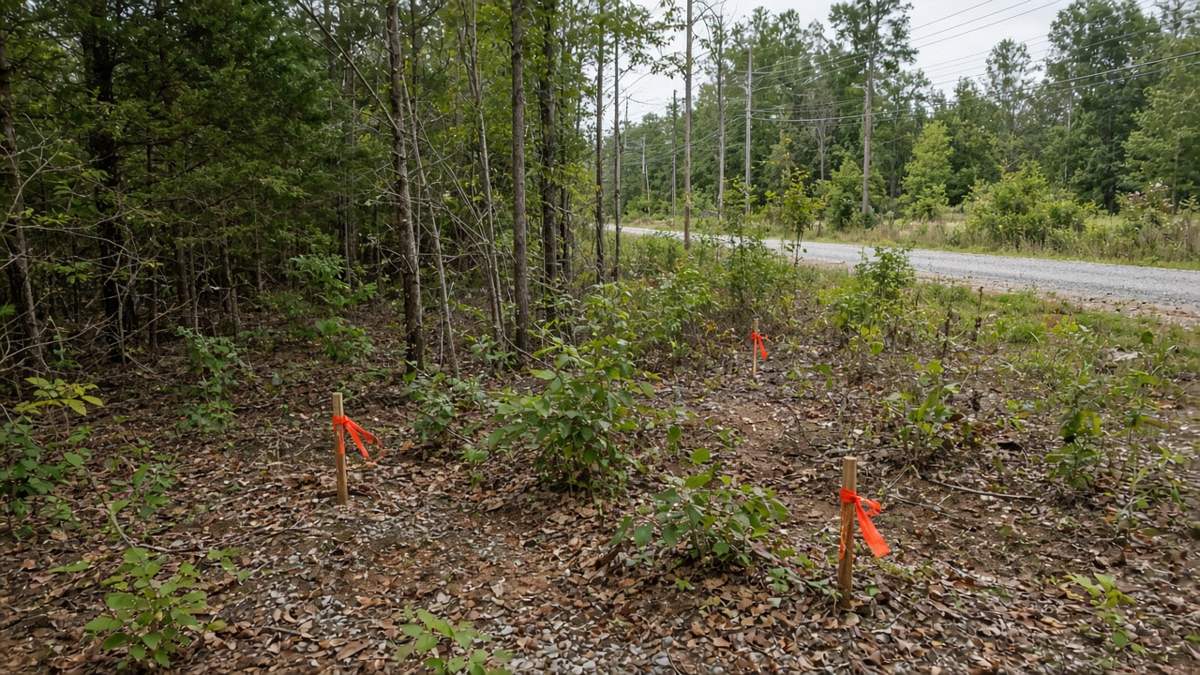
Buying land can be the first step toward building a dream home, starting a farm, or holding a long-term investment. But financing land is different from financing a house. Lenders see vacant land as riskier because it does not produce income, can be harder to sell, and does not have a home to serve as strong collateral. As a result, land loans typically require larger down payments, carry higher interest rates, and have shorter terms than traditional mortgages. This guide explains how land loans work, the main types, what lenders look for, and alternatives to consider. Terms vary widely by lender and location, so shop around and read loan documents carefully.
What a land loan is
A land loan is financing used to purchase a parcel of land. It can be used for a residential lot in a subdivision, rural acreage, or land for future development. Land loans are offered by local banks, credit unions, farm credit lenders, and sometimes by sellers. Many large national mortgage lenders do not offer land loans, or offer them only in limited situations.
Types of land
Lenders classify land by how developed it is, which strongly affects loan terms.
Raw land
Raw land is completely undeveloped, with no roads, utilities, or sewer access. It is the riskiest type of land for lenders, so loans for raw land typically require the largest down payments, often 30% to 50% or more, and higher interest rates. Some lenders will not finance raw land at all.
Unimproved land
Unimproved land may have some basic access or nearby utilities but lacks full development, such as electricity, water, or sewer connections on site. Terms are usually better than raw land but still stricter than for improved lots.
Improved land
Improved land has road access and utilities, such as water, sewer or septic approval, electricity, and sometimes gas. It is often located in or near developed areas, which makes it the least risky for lenders. Down payments may be lower, sometimes 10% to 20% for strong borrowers.
Typical land loan terms
| Feature | Common range |
|---|---|
| Down payment | Often 10% to 50%, depending on land type |
| Interest rate | Usually higher than a standard mortgage |
| Loan term | Often 2 to 20 years, sometimes with a balloon payment |
| Rate type | Fixed or adjustable |
These ranges are general. Lenders set their own terms, and credit unions and local banks often have more flexible programs for land in their communities.
What lenders look for
Your credit and finances
Land lenders often want strong credit scores, low debt-to-income ratios, and stable income. They may also want to see cash reserves.
Your plans for the land
Lenders usually ask what you plan to do with the property. A clear, near-term plan to build a home can make approval easier, while speculative investment land may be harder to finance.
Property details
Expect lenders to review:
- Zoning and permitted uses. Can you build what you plan?
- Survey and boundaries. A survey confirms the property lines and any easements.
- Access. Legal access via a public road or easement is essential.
- Utilities. Availability and cost of connecting water, power, and sewer or septic.
- Soil and percolation tests. In rural areas, a perc test shows whether the land can support a septic system.
- Environmental issues. Wetlands, flood zones, or contamination can limit use.
- Appraisal. Land appraisals can be challenging because comparable sales may be limited.
Land loan options
Local banks and credit unions
Community lenders often understand local land values and may offer portfolio loans they keep on their own books, with more flexible terms.
Farm Credit lenders
The Farm Credit System, a nationwide network of lending cooperatives, offers loans for rural land, farms, and ranches. Some Farm Credit associations finance rural home sites and recreational land.
USDA loans
The U.S. Department of Agriculture offers programs that can help in rural areas. The USDA Single Family Housing Direct Home Loan program can be used to buy a site and build a home for eligible low- and very-low-income applicants. The USDA also offers farm ownership loans through the Farm Service Agency for farmers and ranchers. A standard USDA guaranteed loan is generally used for buying or building a home, not land alone.
Construction-to-permanent loans
If you plan to build soon, a construction-to-permanent loan may finance both the land purchase and home construction, then convert to a regular mortgage when the home is finished. This can be more efficient than separate land and construction loans.
Seller financing
Some landowners finance the purchase themselves. You make payments directly to the seller, often with a down payment and a short-term note. Seller financing can be easier to obtain and faster to close, but interest rates and terms vary, and you should have an attorney review the agreement and ensure the title is clear.
Home equity loans or HELOCs
If you have equity in your current home, a home equity loan or line of credit may provide funds to buy land, often at lower rates than a land loan. However, your home becomes collateral.
Personal loans
For small, inexpensive parcels, a personal loan may work, but rates are usually higher and loan amounts limited.
Costs to consider beyond the purchase price
- Survey, appraisal, and title insurance
- Closing costs and loan fees
- Property taxes, which may change if land use changes
- Utility connections, which can be costly in remote areas
- Road building, clearing, and grading
- Well drilling and septic installation
- Permits and impact fees
Red flags when buying land
Land purchases can hide problems that are expensive or impossible to fix. Watch for:
- No recorded legal access. A dirt road crossing a neighbor’s property is not the same as a recorded easement.
- Flood zone designation. Check FEMA flood maps, since building in a flood zone can require flood insurance and special construction.
- Failed or missing perc test. Without an approved septic site, you may not be able to build.
- Unclear mineral, water, or timber rights. In some states, these rights may be owned separately from the surface land.
- Back taxes or liens. A title search should reveal unpaid taxes or claims.
- Unusually low price. A bargain may reflect access, zoning, or environmental problems.
A real estate attorney and a title company can help uncover these issues before closing.
Tips for buying land with a loan
- Get preapproved with a lender experienced in land loans.
- Make your offer contingent on financing, a survey, and perc tests.
- Check zoning, deed restrictions, and HOA rules before you buy.
- Confirm legal access and any easements.
- Estimate development costs to understand the total investment.
- Plan for a higher down payment and save cash reserves.
An example
Marcus wants to buy a two-acre wooded lot outside town to build a home in a few years. The lot has road access and electricity at the street, but no water or sewer, so it is considered unimproved. His credit union offers a land loan with 25% down, a 15-year term, and a rate somewhat higher than its standard mortgage. He makes the purchase contingent on a successful perc test and a new survey. When he is ready to build, he plans to refinance the land loan into a construction-to-permanent loan, using his equity in the land toward the down payment.
Related reading: How a HELOC Works: Draw Periods, Variable Rates, and Smart Ways to Use Home Equity.
Frequently Asked Questions
What is a land loan?
A land loan is financing to purchase a vacant lot or acreage. It generally has higher down payments and interest rates than a standard home mortgage.
How much do you need to put down on a land loan?
It depends on the type of land and lender, often from 10% for improved lots to 50% or more for raw land.
Can you use a USDA loan to buy land?
USDA direct loans can sometimes finance a home site and construction for eligible borrowers, and Farm Service Agency loans help farmers buy farmland, but standard USDA home loans usually do not finance land alone.
Is it hard to get a loan for land?
It can be harder than getting a mortgage, especially for raw land. Strong credit, a solid down payment, and clear plans for the land help.
What are alternatives to a land loan?
Seller financing, construction-to-permanent loans, home equity loans or HELOCs, and personal loans for small parcels are common alternatives.
This article is for general informational purposes only and is not legal, medical, tax, or financial advice. Rules vary by state and change over time; confirm details with the relevant agency or a licensed professional.