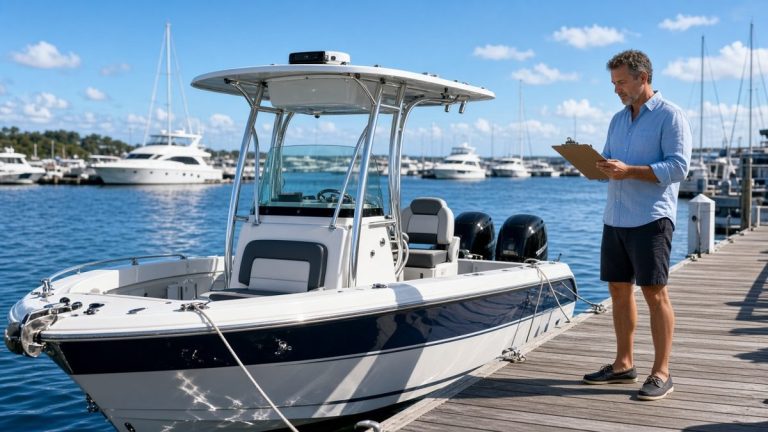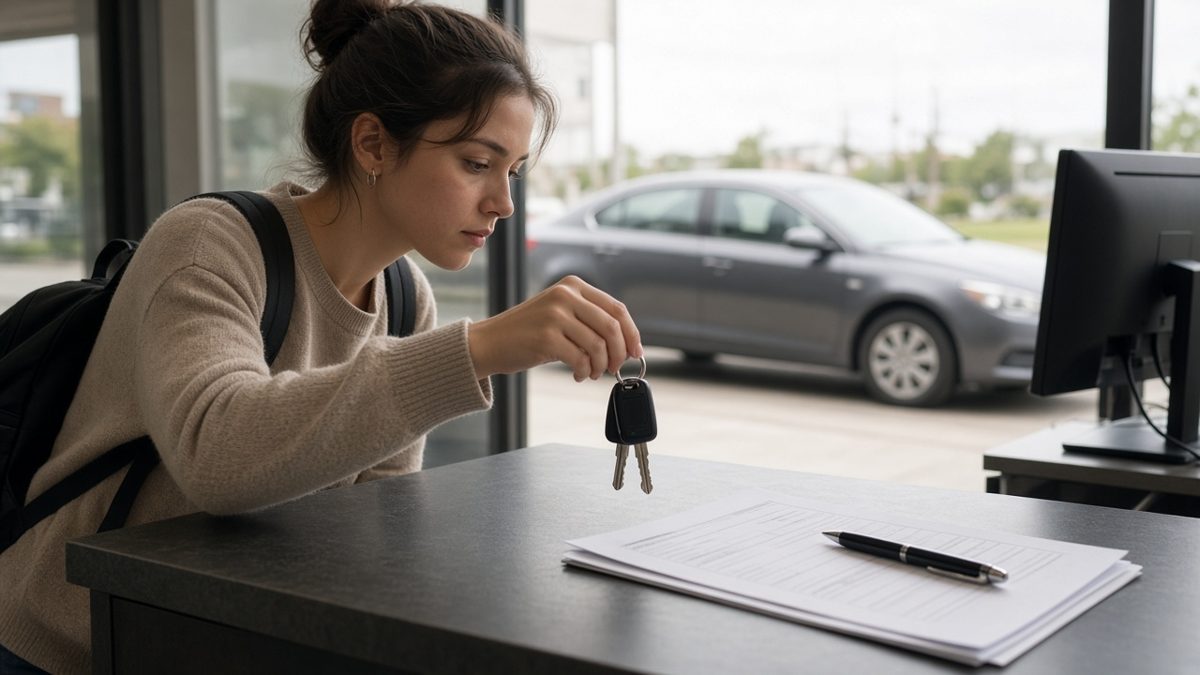
Plenty of people drive regularly without owning a car. City residents use car-sharing services, frequent travelers rent cars, and many people borrow a friend’s or relative’s vehicle. Non-owner car insurance gives these drivers their own liability protection without insuring a specific vehicle. It is inexpensive compared with a standard auto policy and can also help people keep continuous coverage or satisfy a state filing requirement. This guide explains how it works and who should consider it.
What non-owner car insurance is
A non-owner policy, sometimes called a named non-owner policy, insures you as a driver rather than insuring a particular car. It follows you when you drive a vehicle you do not own and that is not regularly available for your use. Because the insurer is not covering a vehicle, the policy usually includes only coverages that protect other people and, in some states, you.
What it typically covers
- Bodily injury liability: injuries you cause to others in an accident.
- Property damage liability: damage you cause to someone else’s car or property.
- Uninsured and underinsured motorist coverage: available or required in many states, protecting you if an at-fault driver lacks enough insurance.
- Medical payments or personal injury protection: available or required in some states.
What it does not cover
- Damage to the car you are driving. Non-owner policies do not include collision or comprehensive coverage, so physical damage to a borrowed or rented car is not covered.
- Cars you own or that are registered in your household.
- Vehicles available for your regular use, such as a car you drive every day that belongs to a roommate or a company car.
- Commercial driving, such as ride-hailing or delivery work, which requires coverage designed for that use.
How it works with the car owner’s insurance
In most states, auto insurance follows the car first. If you borrow a friend’s car with permission and cause an accident, the owner’s liability coverage usually pays first. Your non-owner policy then acts as secondary or excess coverage, paying after the owner’s limits are exhausted, up to your own limits. That extra layer can be important when the owner carries only state minimum limits, which may be far below the cost of a serious crash.
For rental cars, a non-owner policy can provide liability coverage so you may be able to decline the rental company’s supplemental liability product, though you would still need to consider coverage for damage to the rental car itself, which may come from a credit card benefit or the rental company’s damage waiver.
Who should consider it
- Frequent renters who want their own liability protection.
- People who regularly borrow cars from friends or family members who do not live with them.
- Car-sharing users, after checking what coverage the car-sharing service includes.
- People between cars who want to avoid a gap in coverage. Insurers often charge more to drivers with a coverage lapse, so a non-owner policy can keep your history continuous until you buy another vehicle.
- Drivers who need an SR-22 or FR-44 filing but do not own a car.
Non-owner policies and SR-22 filings
After certain violations, such as driving uninsured, a DUI, or multiple serious tickets, a state may require proof of financial responsibility before reinstating your license. That proof is commonly an SR-22 certificate filed by an insurer with the state; Florida and Virginia also use an FR-44 for certain offenses with higher required limits. If you do not own a car, a non-owner policy with an SR-22 filing allows you to meet the requirement. You must keep the policy in force for the period the state requires, often around three years, and a lapse can trigger the insurer to notify the state, which may suspend your license again.
What affects the price
Non-owner policies generally cost less than standard auto policies because they do not cover a vehicle and because the coverage is often secondary. Your price depends on:
- Driving record: violations and at-fault accidents raise rates sharply, especially offenses that trigger an SR-22.
- Location: state rules and local claim costs vary widely.
- Liability limits: higher limits cost more but offer much better protection.
- Age and experience.
- Credit-based insurance score, in states that permit its use.
- Coverage history: a recent lapse may increase the premium.
Because prices vary, compare quotes from several insurers. Not every company sells non-owner policies, and some sell them only by phone or through agents.
Choosing limits
State minimum liability limits are often low, sometimes as little as $25,000 per person for injuries. A single hospital stay can exceed that. If you have savings or a home, consider higher limits, such as 100/300/100, meaning $100,000 per person and $300,000 per accident for injuries and $100,000 for property damage. Ask how much more higher limits cost; the increase is often modest relative to the added protection.
How to buy a policy
- List your driving habits: how often you borrow or rent, and whose cars you drive.
- Confirm you do not have regular access to a car in your household; if you do, you may need to be listed on that car’s policy instead.
- Request quotes from insurers that offer non-owner coverage, including your state’s major carriers.
- Mention any SR-22 or FR-44 requirement so the insurer can file it.
- Ask about uninsured motorist and medical coverage required in your state.
- Keep proof of insurance with you when driving.
Common misunderstandings
- “It covers the car I borrow.” It does not pay for damage to that car.
- “I can use it for my roommate’s car every day.” Regular use generally requires being listed on the owner’s policy.
- “It covers delivery driving.” Commercial use is typically excluded.
- “My credit card covers everything for rentals.” Many credit card benefits cover damage to the rental car but not liability to others.
Alternatives to compare
If you drive a household member’s car regularly, being added as a driver on that policy is usually the correct approach. If you rent only once or twice a year, buying liability coverage at the rental counter may be more cost-effective, though that coverage only protects you during the rental. If you use car-sharing, review the service’s included insurance, which typically provides liability coverage at state-required or higher levels while you drive its cars. A non-owner policy makes the most sense when you drive borrowed or rented cars often enough that your own continuous protection is worth a yearly premium.
Keeping coverage continuous
Insurers often view a recent coverage lapse as a risk factor and may charge more when you buy a policy for a newly purchased car. A non-owner policy can preserve continuous coverage between vehicles, which may lead to better rates later. When you buy a car, contact your insurer to switch to a standard policy rather than simply canceling, so there is no gap.
Related reading: Pet Insurance Explained: How Policies Pay, What They Exclude, and Whether It Pays Off and GAP Insurance for Cars: When You Need It, Where to Buy It, and How Claims Are Paid.
Frequently Asked Questions
What does non-owner car insurance cover?
Primarily liability for injuries and property damage you cause while driving a car you do not own, plus uninsured motorist or medical coverage in some states. It does not cover damage to the car you are driving.
Is non-owner insurance primary or secondary?
Usually secondary. The car owner’s insurance generally pays first, and your non-owner policy adds coverage after the owner’s limits are used up.
Can I get an SR-22 without a car?
Yes. A non-owner policy with an SR-22 filing lets you satisfy a state financial responsibility requirement when you do not own a vehicle.
Does non-owner insurance cover rental cars?
It can provide liability protection when renting, but it does not cover damage to the rental car itself.
Who should not buy non-owner insurance?
People who own a car, live with someone whose car they drive regularly, or drive for commercial purposes should look at other coverage.
This article is for general informational purposes only and is not legal, medical, tax, or financial advice. Rules vary by state and change over time; confirm details with the relevant agency or a licensed professional.