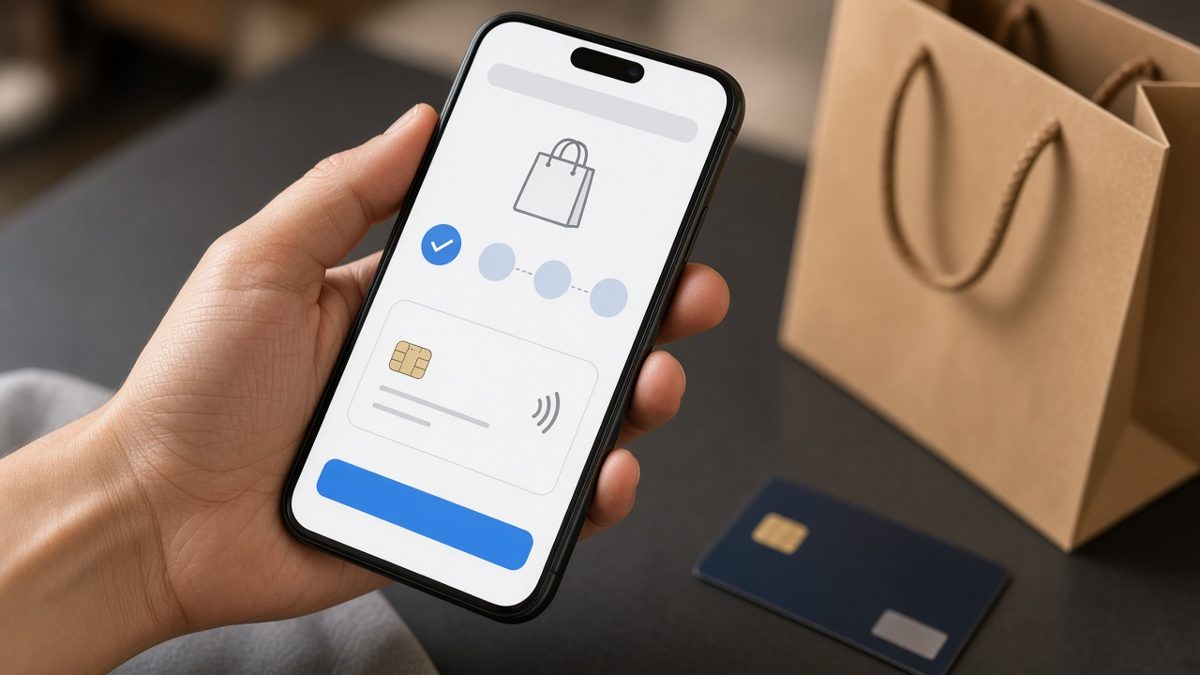
At checkout, online and in stores, shoppers are increasingly offered a way to split a purchase into smaller payments. Buy now, pay later, usually shortened to BNPL, is offered by companies such as Affirm, Klarna, Afterpay, PayPal, and others. Used carefully, it can spread out a cost with no interest. Used carelessly, it can lead to late fees, overdrafts, and a pile of overlapping payments. This guide explains how BNPL works and how to use it safely.
How BNPL works
BNPL is a form of point-of-sale credit. When you choose a BNPL option, the provider pays the merchant and you repay the provider on a set schedule. Merchants pay the provider a fee, which is why many short-term plans are free to the consumer.
Pay in four
The most common product splits a purchase into four equal installments. The first is due at checkout and the rest every two weeks, so the purchase is paid off in about six weeks. These plans usually charge no interest. Late fees may apply if a payment fails.
Monthly installment loans
For larger purchases, providers offer monthly payment plans lasting several months to several years. These may carry interest, sometimes 0% as a promotion and sometimes an APR comparable to or higher than a credit card, depending on the provider, merchant, and your credit. Unlike some store credit cards, many BNPL lenders use simple interest rather than deferred interest, but terms vary.
What it costs
- Interest: none on most pay-in-four plans; varies on longer loans.
- Late fees: charged by some providers, often capped by state law or provider policy.
- Overdraft and returned payment fees: your bank may charge these if an automatic payment pulls from an account without enough money.
- Opportunity cost: easy approval can encourage spending you would otherwise skip.
Always read the loan disclosure before accepting, which shows the APR, total of payments, and payment schedule.
Approval and credit checks
Many pay-in-four providers run a soft credit check or rely on their own data, which does not affect your credit score. Longer financing more often uses a hard inquiry, which may cause a small, temporary dip. Approval is not guaranteed and can vary purchase by purchase.
Do BNPL loans affect your credit?
Credit reporting for BNPL has been inconsistent. Some providers report some loans to one or more credit bureaus, especially longer-term loans, and some report missed payments or send unpaid balances to collections. FICO has announced score models that can incorporate BNPL data, but lenders adopt new models gradually. The practical takeaway: assume a missed BNPL payment can hurt your credit, and do not assume on-time payments will help it.
Consumer protections
BNPL providers are subject to federal consumer protection laws such as the Truth in Lending Act disclosures for loans with finance charges, fair lending laws, and prohibitions on unfair or deceptive practices. Regulatory treatment of pay-in-four products has shifted in recent years, so protections that apply to credit cards, such as certain dispute rights, may not apply in the same way to every BNPL plan. Some states license and regulate BNPL lenders directly.
If a merchant sends the wrong item or you return a purchase, contact both the merchant and the BNPL provider. Most providers let you pause payments while a dispute is investigated, but follow their process and deadlines. Keep receipts and return tracking numbers. If a provider does not resolve a problem, you can file a complaint with the Consumer Financial Protection Bureau or your state attorney general.
The risks of stacking
The biggest danger is loan stacking: having several BNPL plans at once, each with its own schedule and autopay. Because each payment is small, the total can slip out of view. Several surveys and regulators have noted that BNPL users are more likely than non-users to carry other debts, and some users report being late on at least one payment.
Warning signs that BNPL is becoming a problem:
- Using BNPL for groceries or routine bills because cash is short.
- Not knowing your total BNPL balance off the top of your head.
- Overdrafting your checking account because of autopays.
- Opening a new plan to cover the payment on another.
When BNPL makes sense
BNPL can be a reasonable choice when:
- The plan has no interest and no fees if you pay on time.
- You have the full amount available, or a reliable paycheck covering each installment.
- The purchase is a planned, necessary one, such as replacing a broken appliance.
- You track every plan in one place and keep a cushion in checking.
When to avoid it
- When the loan carries a high APR that a credit card or personal loan could beat.
- For impulse buys or purchases you would not make with cash.
- When you are already juggling other debts.
- For items where returns are complicated, such as travel or custom goods.
BNPL versus credit cards
| Feature | Pay in four | Credit card |
|---|---|---|
| Interest | Usually none | High APR if balance carried; none if paid in full |
| Rewards | Rarely | Often |
| Credit building | Inconsistent | Reported monthly |
| Dispute rights | Provider policy, varies | Fair Credit Billing Act protections |
| Spending limits | Per purchase | Credit line |
A credit card paid in full every month offers grace-period interest-free financing, rewards, strong dispute rights under the Fair Credit Billing Act, and credit history. For disciplined users, it is often the better tool. BNPL can win when you need a few weeks of interest-free time and cannot pay a card in full.
Tips for using BNPL safely
- Use one provider if possible, and keep its app installed to see all payments.
- Put due dates on your calendar and in your budget.
- Fund autopay from an account with a buffer or use a card as the repayment method only if you will pay that card in full.
- Read the terms for each loan, since the same provider may offer different rates for different merchants.
- Avoid using BNPL for necessities when money is already tight; contact creditors or a nonprofit credit counselor instead.
Building a BNPL tracking habit
A simple system prevents most BNPL problems. Once a week, open each provider’s app and write down every active plan, the remaining balance, and the next due date. Add up the total of all installments due in the next 30 days and compare it with the money you expect to have after rent, utilities, and other fixed bills. If the number makes you uncomfortable, stop opening new plans until the existing ones are paid off.
It also helps to decide in advance what BNPL is for. Some households allow it only for planned purchases above a certain amount, such as a new mattress or a laptop for school, and never for food, gas, or entertainment. A personal rule like that keeps a useful tool from becoming a substitute for an emergency fund.
Getting help if you fall behind
If you cannot make a payment, contact the provider before the due date. Some providers can move a payment date or set up a hardship arrangement. Prioritize essential bills such as housing, utilities, and insurance before BNPL installments. A nonprofit credit counseling agency, many of which are affiliated with the National Foundation for Credit Counseling, can review your budget for free or at low cost and help you build a repayment plan.
Related reading: Credit Utilization Ratio: How Card Balances Move Your Score and How to Manage Them and Sinking Funds: How to Save for Predictable Expenses Without Derailing Your Budget.
Frequently Asked Questions
Does buy now, pay later charge interest?
Most pay-in-four plans charge no interest, but longer monthly plans may charge an APR that can be high. Check the disclosure before you accept.
Will BNPL hurt my credit score?
Applying often uses a soft check, but missed payments can be reported or sent to collections. Some providers also report loans, so treat BNPL as real debt.
What happens if I miss a BNPL payment?
You may be charged a late fee, lose access to the provider, and see the missed payment reported. Your bank may also charge an overdraft fee.
Can I return an item bought with BNPL?
Yes, under the merchant’s return policy. The provider adjusts or refunds the loan once the merchant processes the return.
Is BNPL better than a credit card?
It depends. A card paid in full each month usually offers more protection and rewards, while BNPL can help if you need short interest-free installments.
This article is for general informational purposes only and is not legal, medical, tax, or financial advice. Rules vary by state and change over time; confirm details with the relevant agency or a licensed professional.